

Why emotional intelligence (EQ) predicts life success more accurately than IQ — and how to strengthen it using applied psychology.
emotional intelligence, EQ psychology, emotional awareness, emotional regulation, applied psychology, self-awareness skills, relationship intelligence
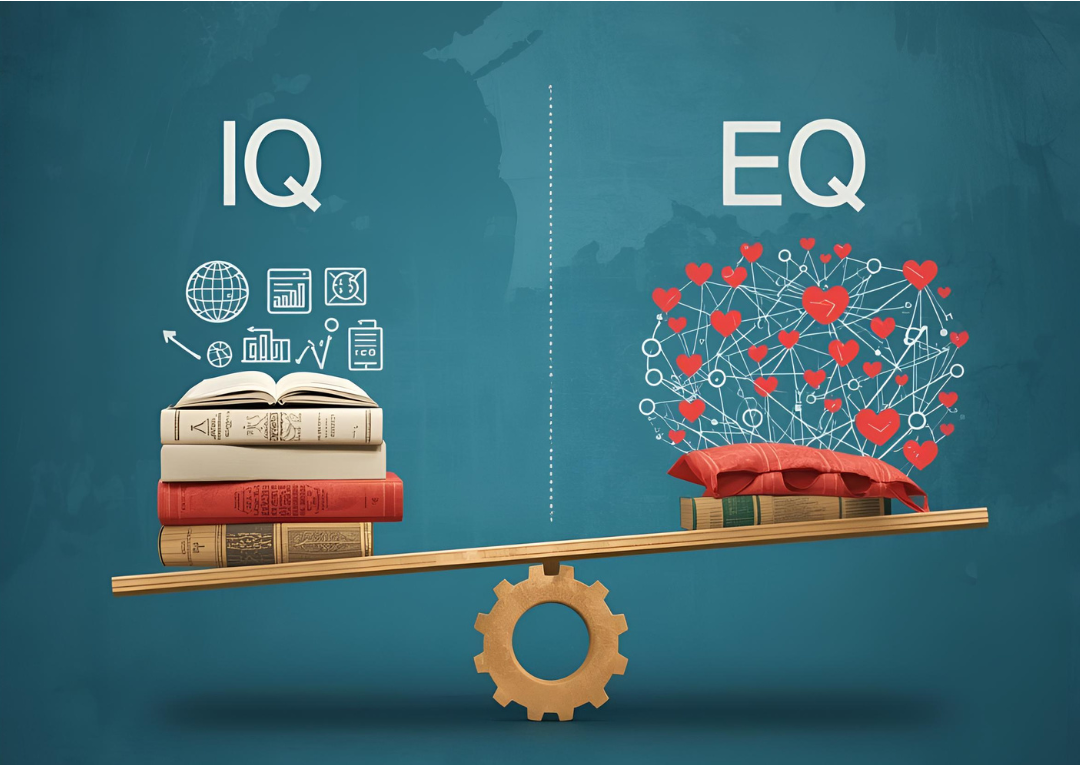
Introduction — IQ Gets You Seen. EQ Gets You Chosen.
People are taught to value intelligence based on:
- grades
- academic performance
- logic
- memory
- technical knowledge
But success in the real world rarely depends on IQ.
It depends on EQ — Emotional Intelligence.
Emotional intelligence is the difference between:
- leadership and insecurity
- confidence and self-doubt
- influence and intimidation
- connection and conflict
- resilience and collapse
It is the hidden architecture behind every successful:
- career
- relationship
- business
- collaboration
- personal transformation
Emotional intelligence turns raw potential into real-world capability.
1. What Is Emotional Intelligence?
Psychologists define emotional intelligence as the ability to:
1. Understand your own emotions
Recognise what you’re feeling, when you’re feeling it, and why.
2. Regulate your emotions
Calm yourself, shift your state, and manage emotional triggers.
3. Understand other people’s emotions
Read social cues, interpret tone, understand motivations.
4. Navigate relationships effectively
Communicate clearly, resolve conflict, build trust, show empathy.
This single skill influences every area of life.
2. Why EQ Predicts Success More Accurately Than IQ
Research repeatedly shows:
IQ explains around 20% of life success.
EQ explains up to 80%.
Why?
Because people don’t fail due to lack of knowledge.
They fail due to inability to manage:
- fear
- stress
- conflict
- disappointment
- uncertainty
- pressure
- relationships
- communication
- emotional triggers
EQ determines how well you can translate your knowledge and skills into real-world outcomes.
3. The 5 Core Components of Emotional Intelligence (Based on Applied Psychology)
1. Self-Awareness
Knowing:
- your emotional patterns
- your triggers
- your blind spots
- your strengths and weaknesses
- your internal narrative
Self-awareness is the foundation of every transformation.
2. Emotional Regulation
Being able to:
- calm your body
- control impulsive reactions
- manage frustration
- reduce anxiety
- shift emotional states
- navigate conflict with clarity
Without regulation, intelligence collapses under pressure.
3. Motivation (Internal Drive)
High EQ individuals are driven by:
- purpose
- mastery
- identity
- curiosity
Not by:
- fear
- pressure
- external approval
This creates stable, long-term achievement.
4. Empathy
The ability to:
- understand others
- read emotional signals
- anticipate reactions
- connect deeply
- show compassion
- communicate meaningfully
Empathy builds trust — the foundation of leadership.
5. Social Intelligence
How well you:
- navigate group dynamics
- manage relationships
- influence others
- build alliances
- resolve conflict
- lead under pressure
Social intelligence often determines career acceleration more than skill alone.
4. Emotional Intelligence Shapes Life Outcomes in 5 Major Areas
1. Personal Confidence
When you understand and regulate your internal world:
- self-doubt decreases
- confidence stabilises
- identity strengthens
EQ gives you psychological grounding.
2. Relationships & Social Life
High EQ leads to:
- better communication
- healthier boundaries
- less conflict
- deeper connections
- improved intimacy
- emotional maturity
Low EQ leads to:
- misunderstanding
- emotional volatility
- defensiveness
- poor communication
- unhealthy dynamics
3. Career & Professional Growth
EQ is now one of the top predictors of:
- employability
- leadership readiness
- promotion potential
- team effectiveness
Leaders with high EQ:
- inspire trust
- reduce conflict
- create psychological safety
- lead confidently under pressure
4. Mental Health & Resilience
EQ protects you from:
- anxiety
- depression
- burnout
- emotional overwhelm
Emotionally intelligent people bounce back faster
because they understand themselves better.
5. Decision-Making
The emotionally intelligent mind:
- pauses
- reflects
- evaluates consequences
- reads the emotional context
- chooses wisely
This leads to clearer thinking and fewer regrets.
5. Why People Struggle with Emotional Intelligence
EQ doesn’t fail randomly.
It fails because of:
- childhood conditioning
- poor emotional modelling
- trauma or neglect
- high stress environments
- cultural norms suppressing emotion
- lack of emotional vocabulary
- fear of vulnerability
- over-intellectualisation
- avoidance behaviours
EQ is a skill — not a gift.
If you weren’t taught it, you simply need to learn it.
6. How to Build Emotional Intelligence (MindGraph 5-Step Method)
STEP 1 — Emotion Naming
Use emotional vocabulary daily:
- “I feel anxious.”
- “I feel overwhelmed.”
- “I feel misunderstood.”
- “I feel hopeful.”
Naming emotion reduces emotional chaos.
STEP 2 — Nervous System Regulation
Use:
- slow breathing
- grounding
- body scanning
- self-soothing
- muscle relaxation
A regulated body produces a regulated mind.
STEP 3 — Pattern Awareness
Ask:
- “What triggers me?”
- “What emotions dominate my day?”
- “What situations dysregulate me?”
Awareness breaks autopilot.
STEP 4 — Empathy Expansion
Practice:
- listening
- perspective-taking
- noticing tone and body language
- validating others’ emotions
Empathy strengthens connection.
STEP 5 — Conscious Communication
Speak with:
- clarity
- calmness
- confidence
- intention
- emotional awareness
This reduces conflict and builds trust.
7. The Highest Form of Emotional Intelligence: Identity-Regulated EQ
Most people regulate emotions after reacting.
Elite EQ regulates emotions before reacting.
This requires:
- identity clarity
- self-worth
- emotional literacy
- psychological awareness
Identity-regulated EQ is stable under:
- pressure
- uncertainty
- criticism
- conflict
It is the foundation of leadership.
Conclusion — Emotional Intelligence Is the Silent Superpower
If you can:
- understand yourself
- regulate your emotions
- navigate relationships
- communicate with clarity
- stay grounded under stress
you can succeed in any environment.
EQ creates:
- resilience
- confidence
- leadership
- stability
- influence
- better decisions
- healthier relationships
Emotional intelligence is not a “soft skill.”
It is a life skill — the skill behind every success story.
Call to Action
Discover the MindGraph Emotional Mastery Blueprint™, designed to elevate your EQ through identity-based psychology and practical transformation tools.